 Even the highest-quality, most useful, and one-of-a-kind product needs a presentation. It allows you to talk about the advantages and features of a product or service, relieve potential buyers of doubts, address objections, and increase sales. But how do you deliver a presentation that gets results? In this article, we discuss the nuances and possible mistakes during an event, and also give advice on how to avoid them.
What Is a Product Presentation and What Are Its Features
It is a strategic marketing tool aimed at presenting and promoting a new product or service on the market. It is an important stage in the product life cycle and helps create a positive impression among potential consumers, attract attention, and spark interest.
It is important that the presentation be clear, convincing, and adapted to the audience. Visual elements, humor, and the use of contrasting examples can significantly improve information perception. In addition, for the successful launch of a new product on the market, active interaction with the audience, answering questions, and feedback after the event are important.
Types of Presentations
- Selling — a classic option whose goal is to encourage people to buy. This type of presentation is suitable not only for a new product: with its help, you can promote a product that has long been in the assortment.
- Demonstration — a master class or test drive, during which a potential buyer can not only see the product in real life but also touch it, taste it, or try it out. Demonstration presentations are often used for the automotive, food, and textile segments.
- Informational — a type of event that companies organize when a new product appears in order to talk about its characteristics and features. This is an excellent tool for promoting “complex” products, such as gadgets, “smart” systems, and technologies.
We'll prepare an estimate tailored to your format within 1 business dayCorporate events, conferences, client days. 16 years and 1,200+ projects.
Calculate the estimate
Stages of a Presentation
- Setting the Context
- Identifying Pains or Needs
- Proposing a Solution
After the problem is fully revealed, you can lead the audience to a way to solve it. For example, to the purchase of a dryer, which, it turns out, is also silent and collects all the dust from clothes. Support this with facts: reviews or a video showing the work process.
- Information about Cost
Announcing the price is always perceived differently by the audience: some are impressed by the possibilities and are ready to purchase, while others may object. In the second case, it is important to be able to respond correctly, offering a discount, installment plan, or gifts for purchase.
Possible mistakes during a presentation
- Monotonous reading of a prepared text
It often happens that a speaker does not emotionally engage the audience, does not ask questions, but simply reads information from a sheet of paper. This way he loses listeners' attention: some will leave the event, and others will spend the rest of the presentation on their phones. To prevent this, try not just to talk about the product, but to create images and situations in the audience's mind. Give more examples, and avoid dry statistical facts.
- Making information more complex
For many people, phrases like "57% of the country's residents have never done something" are perceived as complex information. Don't overload listeners' minds with large numbers and use words like "half," "two out of three people," etc. During a presentation, specifics do not play a key role, but it will be easier for the audience to remember this information and understand your point. Also try to avoid complex professional terms: simplify your message and speak the language of potential buyers.
- Focus on the product, not the client's needs
It would seem that during a presentation you need to talk about your product or service, showing obvious benefits for buyers. However, in practice it is necessary to talk about how your product solves current problems and meets people's needs. The audience perceives direct advertising negatively and, most likely, will not buy what you offer. Therefore, show people the solution to their difficulties and provide evidence for it. For example, invite those who can give a real testimonial.
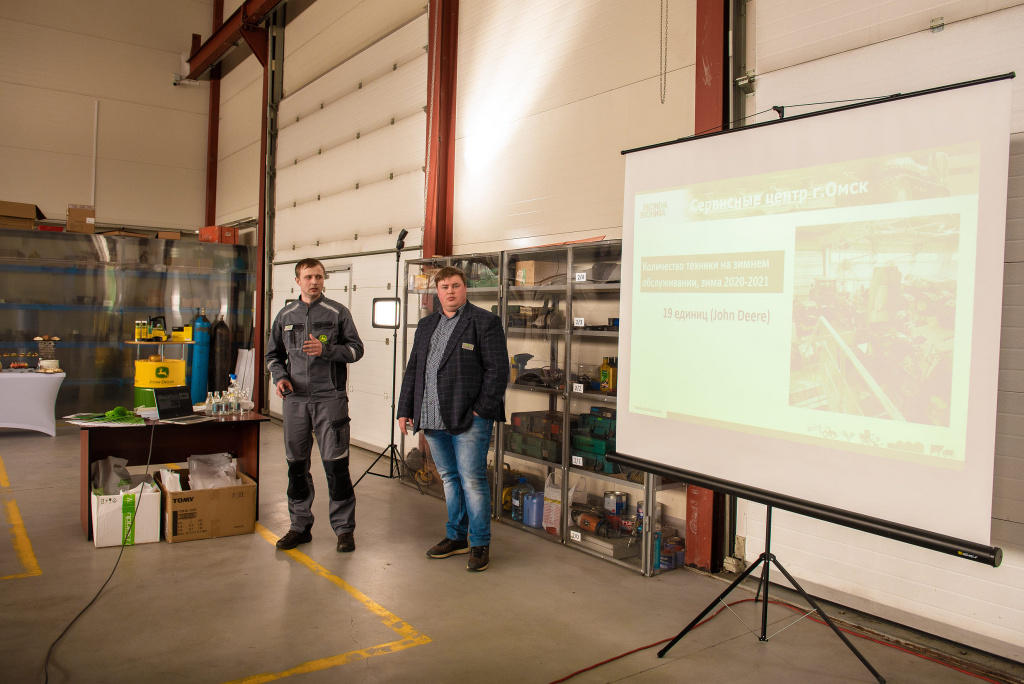
The team of the event agency "Aventura" organizes an effective presentation for any number of guests. We will prepare a unique script that aligns with marketing principles, find a host who has natural charm, a pleasant voice timbre and can confidently present your product. If necessary, we will organize refreshments and drinks for guests, brand the venue, and also cover the event in the media and social networks.
Was this article helpful?