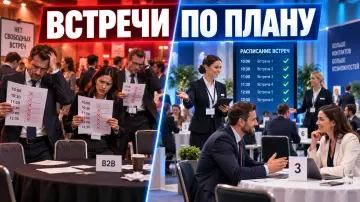
Business events are not only part of the corporate culture in many companies, but also a tool of event marketing. Such events help solve various business tasks, choose methods of effective management and PR, adjust brand's strategic plans. They also contribute to project development and team building.
Today we'll talk about what kinds of business events there are and how to organize them properly.
Goals and objectives of business events
- Exchange of professional knowledge: discussion of cases and trends in science, technology, HR, advertising, etc.;
- Internal presentation of projects and business processes, or a media presentation of new products and services;
- Growing the target audience: introducing consumers to the brand;
- Communicating the brand's core values, philosophy, and mission;
- Expanding business contacts by finding partners, contractors, and investors or strengthening existing business relationships;
- Training and improving soft skills: developing communication, teamwork, business etiquette, self-presentation skills, etc.;
- Building a positive brand image and strengthening expert reputation in the professional community;
- Attracting media attention to the brand and growing popularity among broad audiences: telling the company's history and successes, presenting industry and production innovations;
- Finding new points of growth and development: prospects for cooperation, production sectors, sales platforms, etc.;
- Increasing demand for products and services, the average order value, and company revenue;
- Reducing conflict within work teams, identifying leaders and executors, finding new motivation tools.
Types of business events and their characteristics
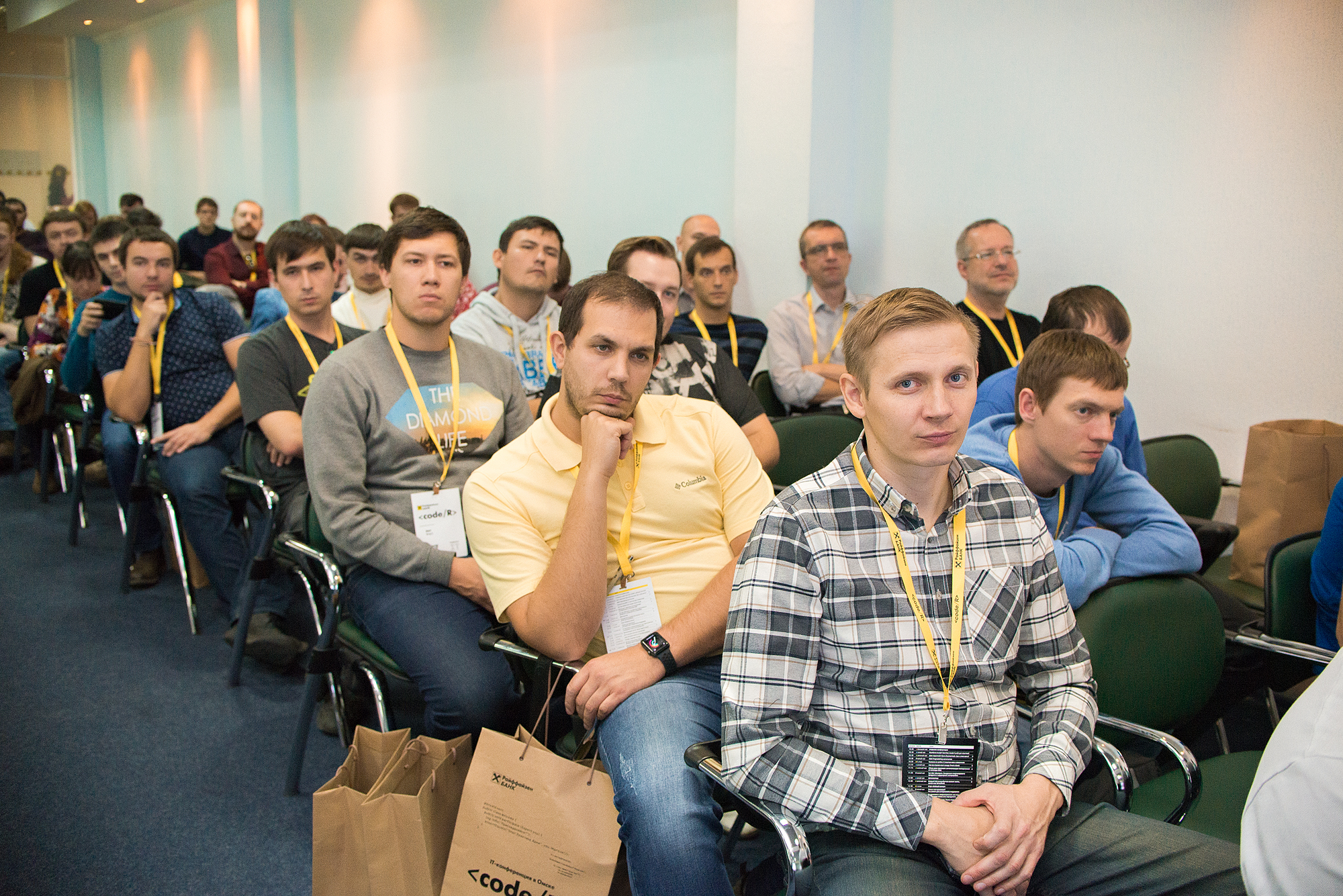
There are many classifications of business events that take into account the range of participants, scale, level of formality, etc. For example, internal business events are needed for working with the team, while external ones imply interaction not only with employees. Official events are organized to reach specific agreements and sign documents, while informal ones are for establishing communication and leisure.
Regardless of the tasks and organizational challenges, the modern event industry distinguishes several typical formats of business events. Let's look at them in more detail.
Presentation
It involves a brand presenting a specific innovation, whether a product, service, or technology. Often a presentation consists of a speech by 1-2 speakers, but it necessarily includes high-quality visual support. The goal of a presentation is to maximize interest, create excitement, surprise, and sell. Hence the need to speak the language of the target audience, take into account their pain points, and show all the benefits.
Conference
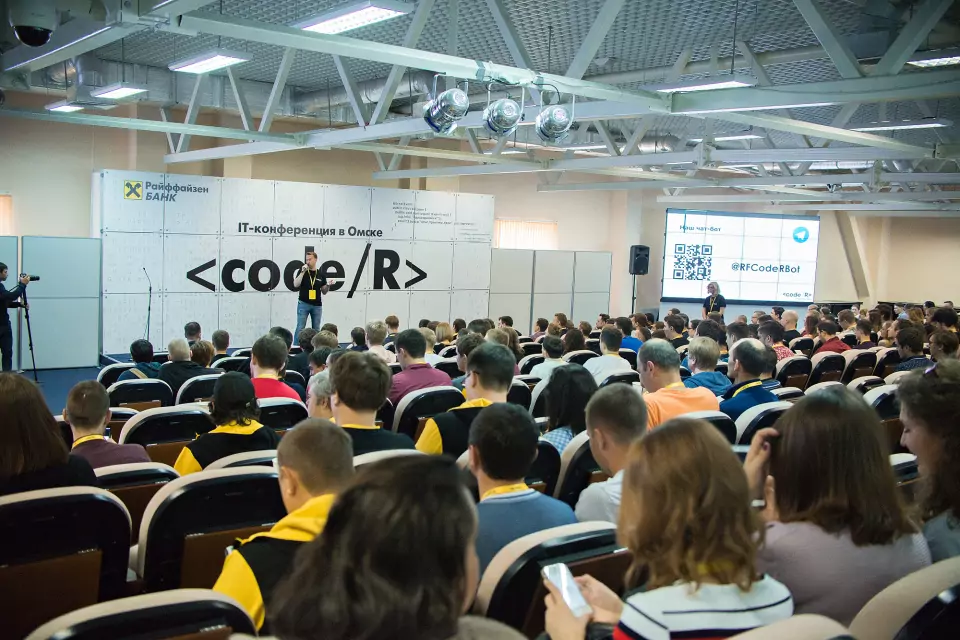
This is a large gathering aimed at the participation of representatives from different organizations or all branches of a large corporation. At a conference, people exchange experience by talking about the specifics of their business, regional successes, current trends, etc. A conference can attract media attention, and therefore help in finding partners and clients. Business conferences can also be held online, but their program remains unchanged: speakers' presentations alternate with discussions, and then end with fixing the main points and summing up.
Seminar
A business seminar is similar in mechanics to a conference, but it involves far fewer participants and is aimed at employees of a single team. It often looks like an interactive, practice-oriented business event where employees teach each other through short presentations, reports, or mini-lectures. Discussion is also an important element of a seminar. In event marketing, there are also open seminars that a company holds for anyone interested in order to promote its activities.
Training
These are corporate educational and, as a rule, highly specialized events designed to improve employees' professionalism and contribute to their personal development. Training involves working with an experienced facilitator (business trainer) — an expert in a specific topic. Often such an event can have an interactive basis, i.e., be conducted as a business game with role assignment and acting out specific behavioral models. Trainings can be focused on both hard skills (e.g., learning to sell) and soft skills (e.g., improving public speaking skills).
Exhibition
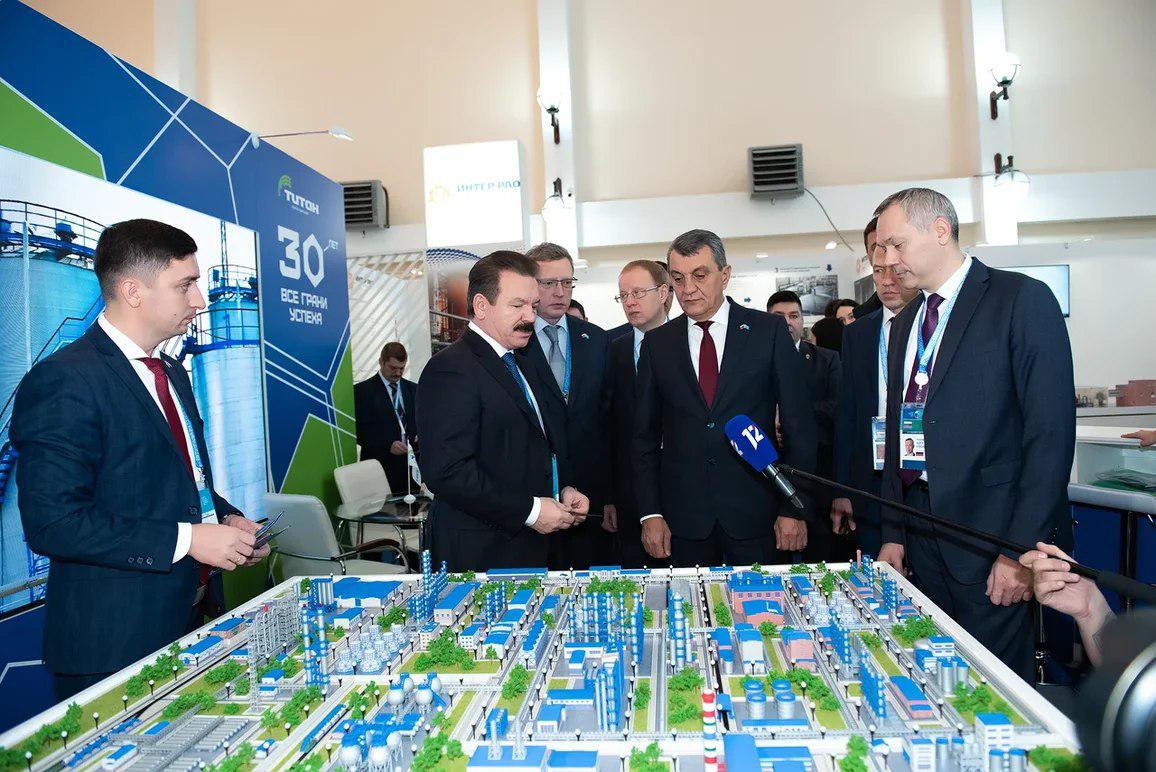
An event thematically similar to a presentation, but more global. If a presentation can be part of another event (for example, a company anniversary or store opening), an exhibition is considered a separate event in which many companies usually participate. Exhibitions can be regional, national, and international. They help find buyers, study competitors, and loudly announce all your successes and tricks. Exhibitions last from a couple of days to several weeks, so they always feature high-quality and diverse technical equipment (stands, racks, display cases, etc.).
Reception
Business receptions can take the form of business breakfasts, lunches, buffets, etc. They are organized for partners, clients, investors, media, etc. A reception is usually informal, since it is meant to establish relationships, and can be an element of another event, for example, a multi-day forum. Receptions are often held in honor of the arrival of colleagues from abroad, after signing an important contract, etc.
Round table
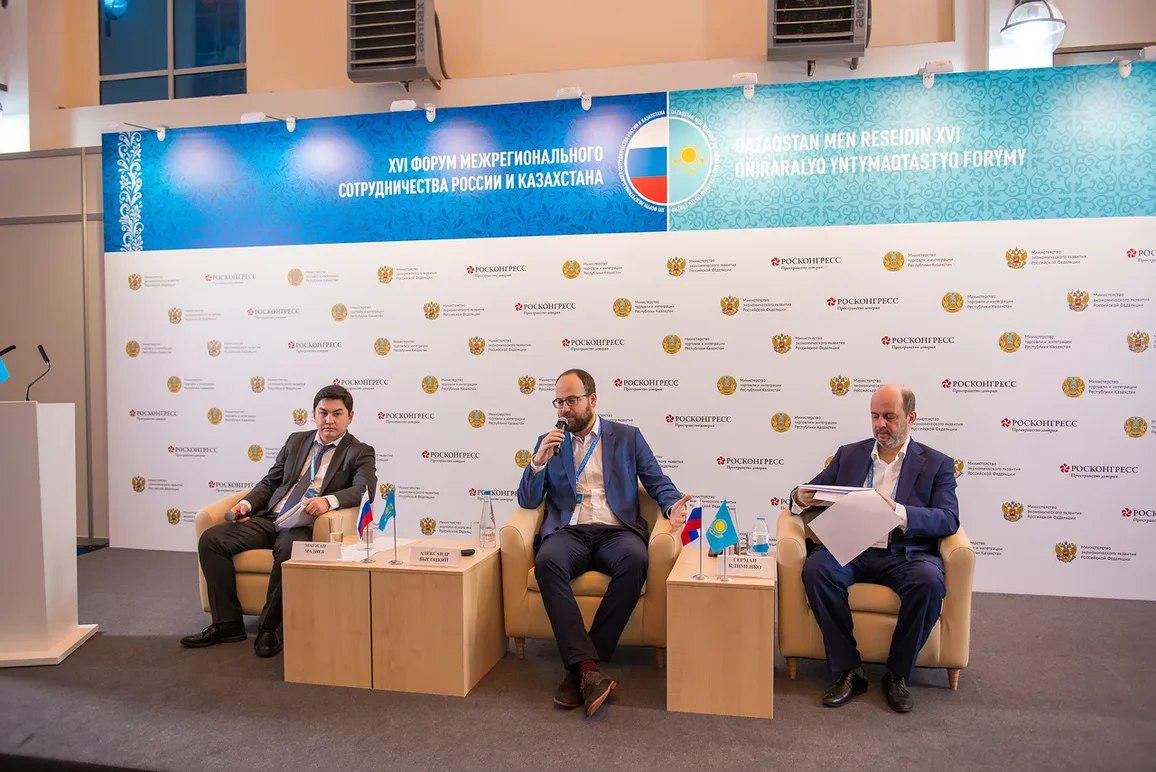
In terms of its tasks, this event is similar to a conference or seminar, but the emphasis shifts from speakers to general discussion. Essentially, it is a meeting, but in a free form. All participants of a round table have equal weight and the right to speak on a specific topic. The task of the event, as a rule, is to find an effective solution to a problem or to gather maximum ideas. Round tables often become a way to form a brand image and attract media, since companies organize them on very topical issues and invite well-known figures from science, business, politics, etc.
Of course, this is far from a complete list of events that companies can use to solve various business tasks. In the event industry, congresses, forums, press conferences, briefings, focus groups, conventions, symposiums, open days, etc. are also in demand today. Many of these events are at the intersection of business, scientific, advertising, and corporate events, which is completely normal and helps brands address various tasks.
Stages of organizing business events
- Identifying key points. At the very beginning, you need to establish the purpose of the event, define the audience, and consider the duration and scale of the event. All of this will help shape the budget, cost estimate, and action plan.
- Developing the idea. A conceptual approach to a business event will help clarify further technical preparation and develop the program. It is important to understand what parts (forms of activity) the event will consist of, and to model in advance the outcomes with which each participant should leave the venue.
- Preparation. This necessarily includes finding a venue (conference hall, hotel, restaurant, etc.), corporate/thematic decoration and zoning of the location, delivery and setup of sound and lighting, as well as multimedia, furniture rental, preparation of printed materials and souvenirs, and handling catering, accommodation, and transfer. Equally important is selecting and working with hosts, moderators, trainers, and speakers.
- Promotion. If the goal of the business event is to attract attention, it is necessary to work on advertising the event. Various tools come into play here: original invitations and press conferences with the media, announcements by bloggers, advertising on radio and television, etc.
- Holding the event. On the day of the event, it is important to supervise the greeting and accommodation of all guests, adherence to the program and timing, the operation of equipment, and the availability of backup plans in case of force majeure. It is important to organize the event so that it is not affected by bad weather conditions, traffic collapse on the roads, etc.
- Post-production. At the end of the event, it is useful to collect feedback from all participants. In addition, it is worth processing photo or video content from the event in order to supplement official reports or stories about the event on the official website, in social networks, on partners’ platforms, and in the media.

Why trust us with your business events?
- Impressive experience and wide geography. For more than #AV_YEARS_GEN# years we have been organizing B2B events not only in Russia but also abroad.
- Working with modern technologies. We love to experiment and constantly develop new online formats and hybrid event programs.
- A large team and reliable partners. We organize turnkey events, so we quickly find contractors, and we also have our own technical base.
- Respect and responsibility. We are honest with our clients when discussing prices and terms of event organization, we carefully approach the implementation of details and do not let you down on deadlines, always adhering to the approved plan.
Was this article helpful?